
Weeks 1–2
Pain
Calm the pain down.
We take the aggravating load off the arm and use targeted techniques to settle the overworked tissue, starting your first visit.
What We Treat
The hand you rely on for work stopped keeping up. The ache by lunch, the grip that fades. Getting back on the job starts with a cause-first evaluation, not a guess.
Sound Familiar?
Two or more? Keep reading.
Why It Happens
Work injuries rarely trace back to one bad moment. They build. It’s usually a mix: a tendon loaded past what it can recover from between shifts, a nerve pinched by the same posture all day, joints worn by repetition, and mechanics that quietly overload one spot. Each shift reloads the tissue before it has healed.
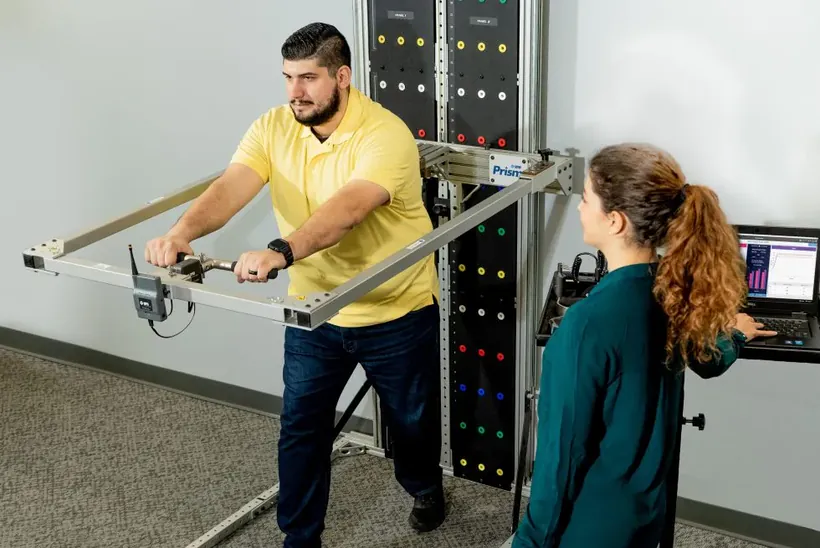
Sorting out which factor is driving your pain takes a cause-first evaluation, not a guess. That matters twice over here: to fix the arm, and to document what it can actually do. We recover your function and measure your capacity, so return to work is a decision backed by evidence, not hope. Find the real cause, and the path back gets clear.
The Honest Truth
Nobody regrets starting too early. Every week, someone in our clinic says they regret waiting.
How We Fix It
Every plan has an endpoint. Here’s what the four phases look like for a work-related arm or hand injury.
Weeks 1–2
Pain
We take the aggravating load off the arm and use targeted techniques to settle the overworked tissue, starting your first visit.
Weeks 2–6
Prime
Targeted mobility work restores the range the strain took, and retrains the mechanics that overloaded you.
Weeks 6–10
Perform
Progressive strengthening rebuilds the grip and stamina your job demands, hour after hour, not just for a minute.
Weeks 10+
Prevent
Your capacity gets tested against your real job demands and documented before you go back: that’s the endpoint, not just another appointment.
Recently broke my arm and needed therapy. As an RN, it is important for me to regain movement and strength in my arm for work. I was extremely fortunate to get time with Andrew. His knowledge and experience helped me immensely, and I have the confidence that I will be able to return to work with no issues.
Shared by Lauren M. · Arm fracture, RN
Early on: a broken arm and a demanding job that needs full strength
Later: movement and strength back, confident to return to work
Questions, Answered
That is the whole point of the plan. We fix the arm and rebuild the grip and endurance your shift actually demands, not just pain-free motion on a good day. Then your capacity gets tested against your real job tasks. You go back when the arm can do the work, measured, not guessed, so you don’t risk returning too soon and starting over.
Yes. Andrew is a Certified Hand Therapist who also performs Functional Capacity Evaluations, so he can measure and document exactly what your arm can safely do. That gives you, your employer, and your provider clear evidence for the return-to-work decision. No vague sign-off, just a documented picture of your true capacity against your job demands.
It depends on how long the strain has been building and how demanding your job is. A full plan runs through all four phases, Pain, Prime, Perform, and Prevent, on a timeline set by your recovery. Either way, you get a plan with an endpoint: you’ll always know which phase you’re in and what’s left, not an open-ended string of appointments.
Book Your Visit
Request a time and a real person calls you back, usually within two business hours. No phone tree. No ‘someone will reach out.’ Just a plan.
5.0 · 19 Google reviews
Typical response: under 2 business hours
Step 1 of 5
That’s the hard part done. We’ll call during business hours to lock in your time. Most people are on the schedule same week.
Visit Us